
"coffee taste and minerals"
4000 article(s) found

Analysis of the components of high-quality coffee beans with knowledge
Raw bean (unit: percentage) moisture: 11.3 fat: 11.7 protein: 11.8 sugar: 8.0 essence: 17.1 caffeine: 1.3 Salmonic acid: 6.0 Minerals: 4.2 crude fiber: 28.6 cooked bean moisture: 2.5 fat: 13.2 protein: 12.8 sugar: 1.8 essence: 29.6 caffeine: 1.3 Salvianolic acid: 4 .0 mineral: 5.2 crude fiber: 29.

Introduction to Incht Manor in Guatemala Coffee Manor
Rich volcanic soil, low humidity, plenty of sunshine and cool nights are the characteristics of this producing area. The valley is surrounded by three volcanoes: Agua, Fuego and Acatenango. Volcanic ash from the eruption makes the soil of Antigua rich in minerals. Volcanic pumice can maintain humidity and overcome the rainfall in Antigua.
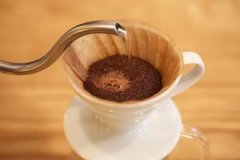
A brief introduction to the flavor and aroma characteristics of Cuban crystal mountain boutique coffee beans with coarse mineral fruit flavor.
In 1748, coffee was introduced into Cuba from Domiga, and Cuba began to grow coffee ever since. With fertile land, humid climate and abundant Rain Water, Cuba can be called a natural treasure land for coffee cultivation. The suitable natural conditions provide a favorable natural environment for the growth of coffee trees, and coffee is well planted and developed here. In Cuba, the cultivation of coffee is regulated by the state. Cuba is the best

What are the nutrients of coffee beans that are good for people?
For coffee drinkers, brewing and boiling coffee powder not only retains the aroma, but also retains the nutrients they have. So, what nutrients do they have that are good for people? Some of the coffee we drink comes from coffee powder, while some are made from coffee beans. The way they cook, the way they boil, so that they end up with coffee.

What are the nutrients of coffee beans that are good for people?
For coffee drinkers, brewing and boiling coffee powder not only retains the aroma, but also retains the nutrients they have. So, what nutrients do they have that are good for people? Some of the coffee we drink comes from coffee powder, while some are made from coffee beans. The way they cook, the way they boil, so that they end up with coffee.

Introduction to the characteristics of Panamanian Rosa Coffee Flavor and Taste Manor
Land resources Panamanian land use: arable land accounts for 8.9%, permanent pastures account for 20.0%, forests and woodland account for 43.0%, others account for 28.1%; per capita arable land accounts for 0.6 mu. [2] Mineral resources Panama is rich in mineral resources, but it is not exploited much, and the scale of the mine is relatively large.

The latest introduction of Cuban Crystal Mountain Coffee Fine Coffee
Crystal Mountain Coffee comes from the Crystal Mountain of Cuba, so it is called Cuban Crystal Mountain Coffee. Crystal Mountain Coffee is synonymous with top Cuban coffee, because this area not only grows coffee, but also produces quartz, crystal and other precious minerals. A prominent feature of Crystal Mountain Coffee is its large granule and bright green color of coffee beans. Its flavor and taste characteristics: full granules, uniform taste

Introduction to the flavor and taste of high-quality coffee beans in Panama Cupid coffee producing area
Panamanian land use: arable land accounts for 8.9%, permanent pastures account for 20.0%, forests and woodland account for 43.0%, others account for 28.1%; per capita arable land accounts for 0.6 acres. [2] Mineral resources Panama is rich in mineral resources, but it is not exploited much, and the scale of the mine is relatively large.

The coffee producing area of Renas Manor in El Salvador introduces the elevation of Renas Manor coffee beans.
Professional barista exchanges please follow the coffee workshop (Wechat official account cafe_style) Renas Manor coffee production area of El Salvador Renas Manor Coffee beans altitude how much active volcanic activity brings the country rich in mineral volcanic ash, mainly volcanic ash in the soil, more minerals, less organic matter, therefore, in order to maintain the location and make up for the lack of organic matter
Analysis of the composition of coffee beans what ingredients are contained in a coffee bean?
Raw bean (unit: percentage) moisture: 11.3 fat: 11.7 protein: 11.8 sugar: 8.0 essence: 17.1 caffeine: 1.3 Salmonic acid: 6.0 Minerals: 4.2 crude fiber: 28.6 cooked bean moisture: 2.5 fat: 13.2 protein: 12.8 sugar: 1.8 essence: 29.6 caffeine: 1.3 Salvianolic acid: 4 .0 mineral: 5.2 crude fiber: 29.

What is transparent colorless coffee like? What are the transparent and colorless brand giants
Professional coffee knowledge exchange more coffee bean information please follow coffee workshop (Wechat official account cafe_style) professional coffee knowledge exchange more coffee bean information please follow coffee workshop (Wechat official account cafe_style) do you also need a cup of coffee every day? In the face of the busy and tense city life, we all have a special cup of coffee and sip it.

Comfortable and well-balanced Panamanian Illeta Estate Coffee Flavor Features
Land use in Panama: 8.9 per cent cropland, 20.0 per cent permanent pastures, 43.0 per cent forests and woodlands, 28.1 per cent others; 0.6 acres of cropland per capita. [2]Mineral Resources Panama is rich in mineral resources, but not much is mined, and the mine scale is also relatively large.
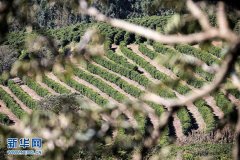
A century-old coffee inheritance of a Brazilian family
Professional baristas Please follow the Coffee Workshop (official Wechat account cafe_style) there is a coffee shop in the pedestrian street of San Lorenzo, a famous mineral water city in Minas Gerais, southeast of Brazil. The modern decoration and equipment stand out in the old city. The coffee shop belongs to the local Pereira family. The shop has been open for about 10 years, but his coffee is already available.
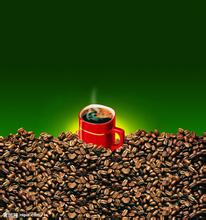
Fragrant coffee farm in Tanzania introduces Arusha coffee in the fire area of Mount Jilimaro.
Northern coffees tend to be pleasant in aroma, rich in acidity and body, sweet taste with balanced flavours due to mineral nutrients from volcanic soils. The northern coffee is full of aroma, bright acidity, mellow taste, and thanks to the rich volcanic soil, it is as sweet as mineral water.

Choose the right natural good water! Tea and coffee can be made sweeter
Outsider! Outsider! There is a difference in the taste of water! Bottled water sold in supermarkets or markets will vary depending on the source and range of water. Among them, the sweet natural water shared by both coffee makers and coffee makers can perfectly show the characteristics of coffee and tea! It's amazing! (provided by water supplies) Coffee forest source, which has nearly 20 years' experience in the field of coffee research, is regarded as

Characteristics and attributes of coffee in eight producing areas of Guatemala
The Ekatlago Valley is 2000 meters (6500 feet) above sea level, with dense shade and unique ecology. The nearby Fuego volcano erupts, making its coarse, sandy soil rich in a variety of minerals. Temperate sea breezes from the Pacific and a seasonal climate allow coffee in this region to be dried by sunlight and processed according to traditional family methods that have been accumulated over the years. [characteristics]

Characteristics of Coffee from Eight Major Producing Areas in Guatemala
Elevated to 2000 meters (6500 feet), it is densely shaded and ecologically unique, with the nearby Fuego volcano erupting intermittently, making its coarse, sandy soil rich in minerals. Temperate sea breezes from the Pacific Ocean and seasonal climates allow this region's coffee to be sun-dried and processed by home-style traditional methods accumulated over the years. [Features] Acidity is obvious, dry
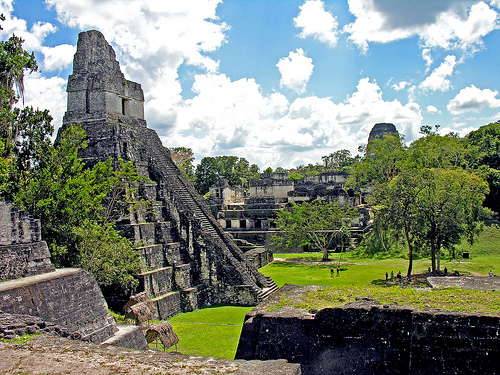
Characteristics and attributes of coffee in eight producing areas of Guatemala
The Ekatra Valley rises to 2000 meters (6500 feet), with dense shade and unique ecology, and the nearby Fuego volcano erupts, making its coarse, sandy soil rich in a variety of minerals. Temperate sea breezes from the Pacific and a seasonal climate allow coffee in this region to be dried by sunlight and processed according to traditional family methods that have been accumulated over the years. [characteristics]